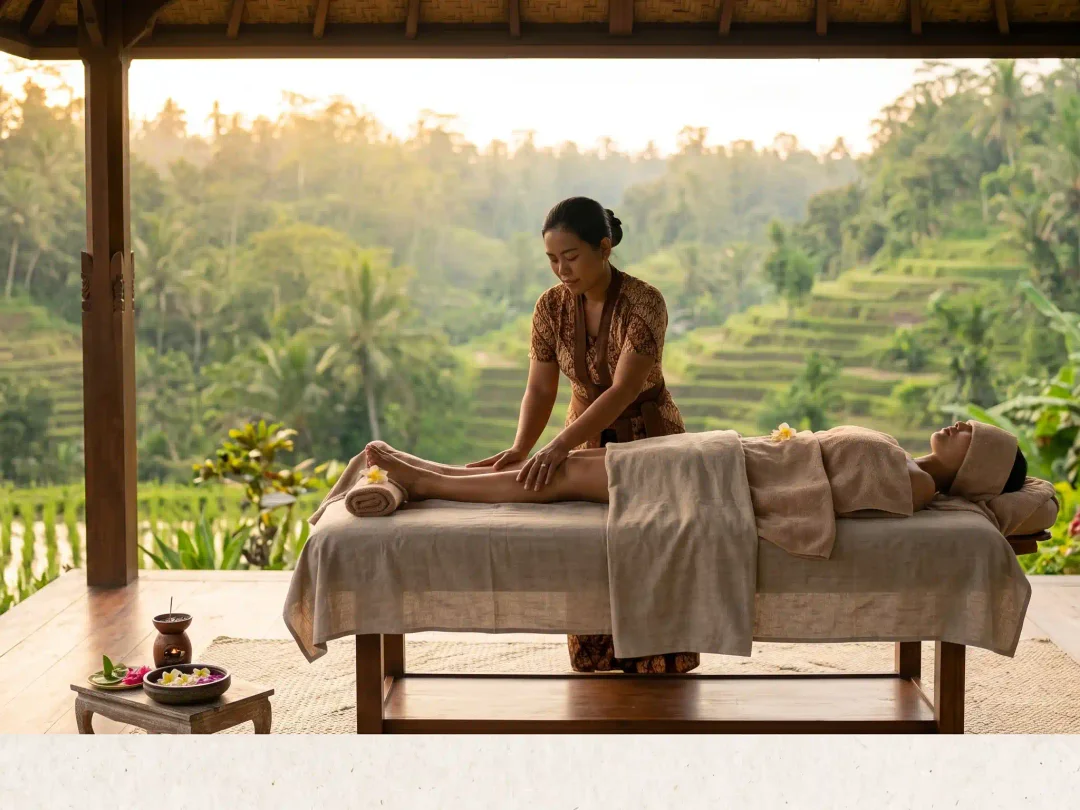
A massage is one of the most common things travelers plan into a Bali trip — but "getting a massage" barely captures how many distinct styles are actually available on the island, each suited to a different need. Balinese massage isn't the same as deep tissue, and neither is close to a Thai stretch-based session or a gentle Lomi Lomi flow. Choosing the right type matters more than most travelers realize, especially if you're dealing with sore muscles from a long flight, tight shoulders from days of scootering around, or simply want an hour of genuine relaxation. This guide walks through the massage styles most commonly available in Bali, what makes each one different, and how to pick the right one for what your body actually needs.
Why Massage Culture Runs Deep in Bali
Massage and traditional healing have roots that go back generations in Balinese and broader Indonesian culture, long before the island became a wellness-tourism destination. Traditional techniques were originally practiced within families and villages, often tied to Balinese Hindu concepts of energy and balance. Today, that heritage sits alongside imported styles like Swedish and Thai massage, giving visitors access to both authentic local techniques and internationally familiar options — often from the same spa or therapist.
1. Balinese Massage
Balinese massage is the island's signature style: a combination of long strokes, gentle stretching, acupressure, and aromatherapy oils, applied with more pressure than a typical Swedish massage but less intensity than deep tissue work. It's designed to improve circulation and ease tension broadly across the body rather than targeting one specific problem area, which makes it a good all-purpose choice for first-time visitors or anyone wanting a genuinely local experience.
2. Deep Tissue Massage
Deep tissue massage uses firm, sustained pressure and slower strokes to reach deeper layers of muscle and connective tissue, targeting chronic tension, knots, and tightness — often in the neck, shoulders, and lower back. It's a better fit than Balinese massage for anyone dealing with specific muscular pain rather than general relaxation, though it can feel intense if you're not used to firm pressure, so it's worth communicating your comfort level clearly at the start of the session.
3. Swedish Massage
Swedish massage is the internationally familiar style built around long gliding strokes, kneading, and lighter overall pressure, aimed primarily at relaxation rather than deep muscular work. It's a solid choice for travelers who want a gentle, low-intensity session, or for a first massage if you're unsure how your body will respond to firmer techniques like deep tissue.
4. Thai Massage
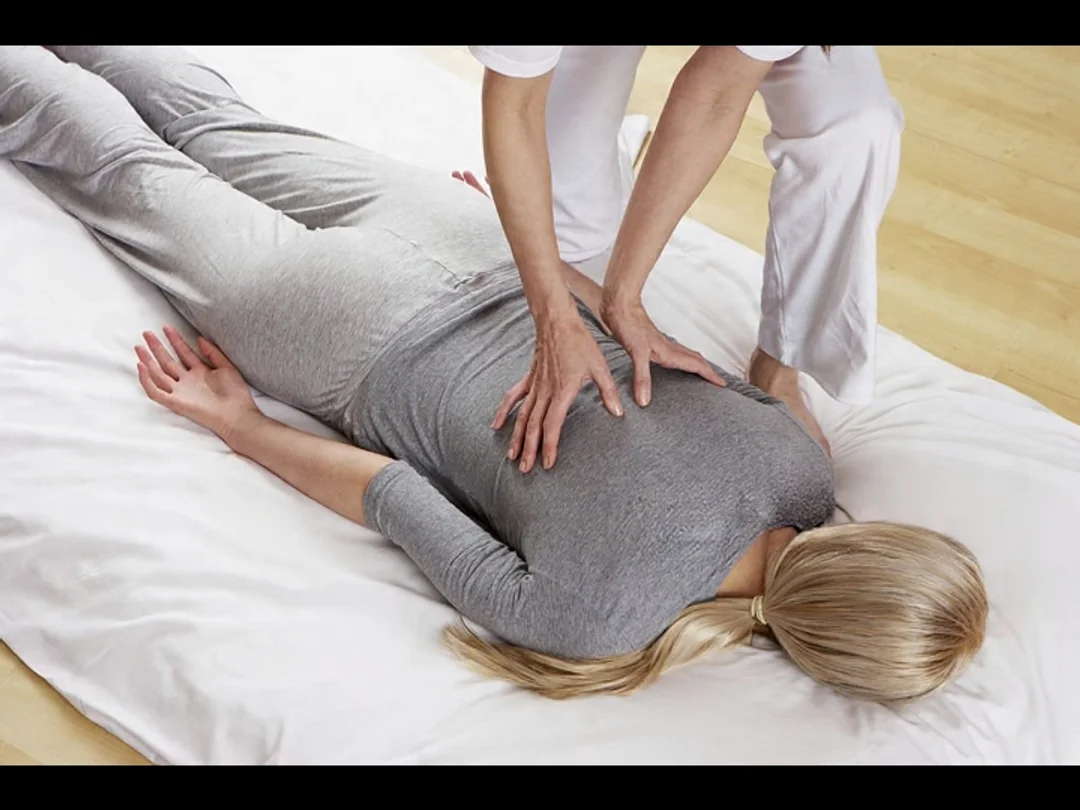
Unlike most massage styles, Thai massage is typically done fully clothed on a mat rather than a table, and incorporates assisted stretching, joint mobilization, and rhythmic pressure along the body's energy lines. It has more in common with assisted yoga than a typical oil massage, and is a strong option for travelers dealing with stiffness or limited flexibility, particularly after long flights or days of physical activity like surfing or trekking.
5. Hot Stone Massage
Hot stone massage layers heated, smooth stones into a traditional massage routine — either placed on specific points of the body or used directly by the therapist to apply heat and pressure together. The heat helps relax muscles faster than pressure alone, making this a popular choice for deeper relaxation or for easing particularly stubborn tension, especially in the back and shoulders.
6. Reflexology (Foot Massage)
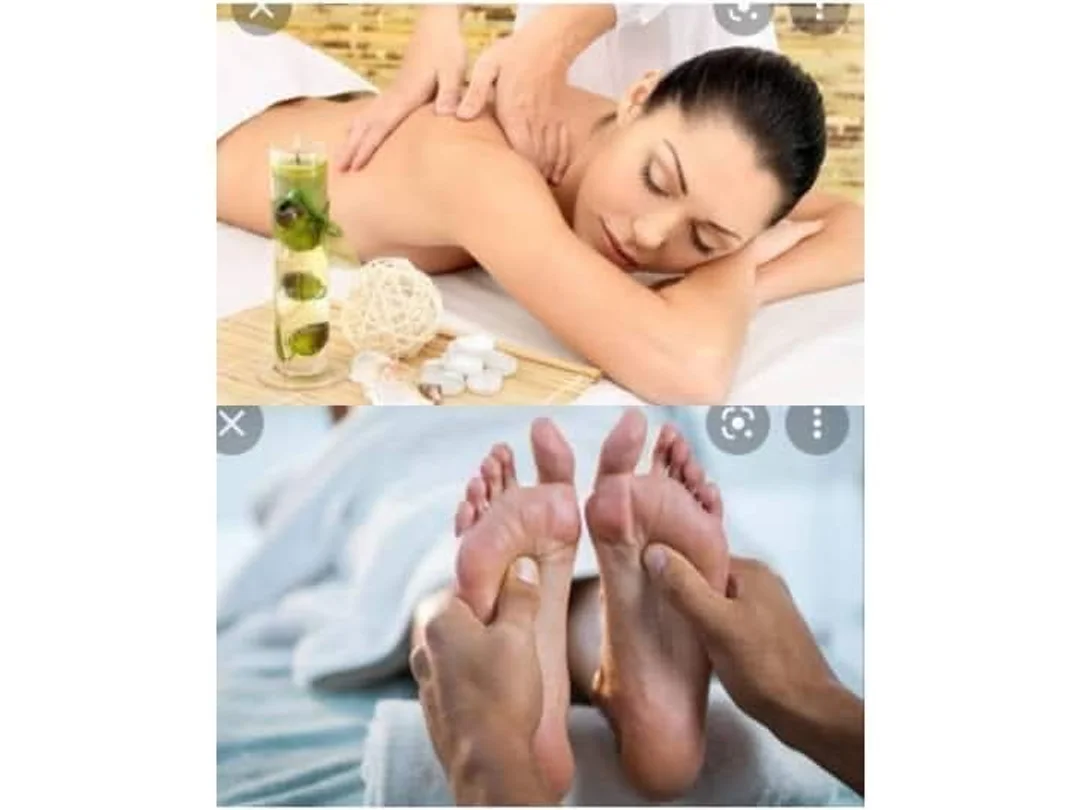
Reflexology focuses specifically on the feet, based on the idea that different points on the foot correspond to different parts of the body. Regardless of the underlying theory, a good foot reflexology session is genuinely effective simply as targeted relief for feet that have spent a trip in flip-flops, walking on uneven terrain, or standing through long travel days — and it's usually one of the more affordable and time-efficient options available.
7. Aromatherapy Massage
Aromatherapy massage combines a Swedish-style or Balinese-style technique with essential oils selected for specific effects — lavender for relaxation, citrus for energy, eucalyptus for congestion relief, and so on. It's less about the massage technique itself and more about the sensory addition, making it a popular choice for travelers who want their session to also feel indulgent rather than purely therapeutic.
8. Lomi Lomi Massage
Originally a Hawaiian technique, Lomi Lomi has become widely available in Bali's wellness scene and is known for its flowing, continuous strokes using the forearms as well as the hands — often described as feeling more like a rhythmic dance than a conventional massage. It's designed to promote a sense of full-body relaxation and is a good option for travelers who find typical point-by-point massages a bit clinical.
9. Prenatal Massage
Prenatal massage is specifically adapted for pregnancy — using safe positioning (often side-lying rather than face-down) and gentler pressure suited to a pregnant body's needs. This should always be booked with a therapist who explicitly offers prenatal massage and has experience with it, rather than requesting modifications to a standard massage, since technique and positioning genuinely differ.
10. Javanese & Traditional Indonesian Techniques
Beyond Balinese massage specifically, other regional Indonesian techniques — often grouped under "Javanese massage" — use firmer, more targeted pressure similar in intensity to deep tissue work, sometimes combined with traditional herbal compresses. These are a good option for travelers who want an authentic Indonesian technique but find pure Balinese massage too gentle for their needs.
Comparing Massage Styles at a Glance
| Style | Pressure Level | Best For |
|---|---|---|
| Balinese | Medium | General relaxation, first-time visitors |
| Deep Tissue | Firm | Chronic tension, muscle knots |
| Swedish | Light-Medium | Gentle relaxation, sensitive to pressure |
| Thai | Medium-Firm (stretch-based) | Flexibility, post-activity stiffness |
| Hot Stone | Medium | Deep relaxation with added heat therapy |
| Reflexology | Medium | Tired feet, quick targeted relief |
| Lomi Lomi | Light-Medium | Full-body flowing relaxation |
How to Choose the Right Massage for You
- Dealing with specific muscle pain? Deep tissue or Javanese-style techniques target problem areas more directly than Balinese or Swedish massage.
- Just want to relax? Swedish, Balinese, or aromatherapy massage are all built around general relaxation rather than muscular correction.
- Stiff from travel or activity? Thai massage's stretching component often helps more than a purely oil-based technique.
- Pregnant? Always book a therapist who specifically lists prenatal massage, and mention how far along you are when booking.
- Short on time or budget? A reflexology foot massage is usually faster and more affordable than a full-body session.
What to Expect During a Booking
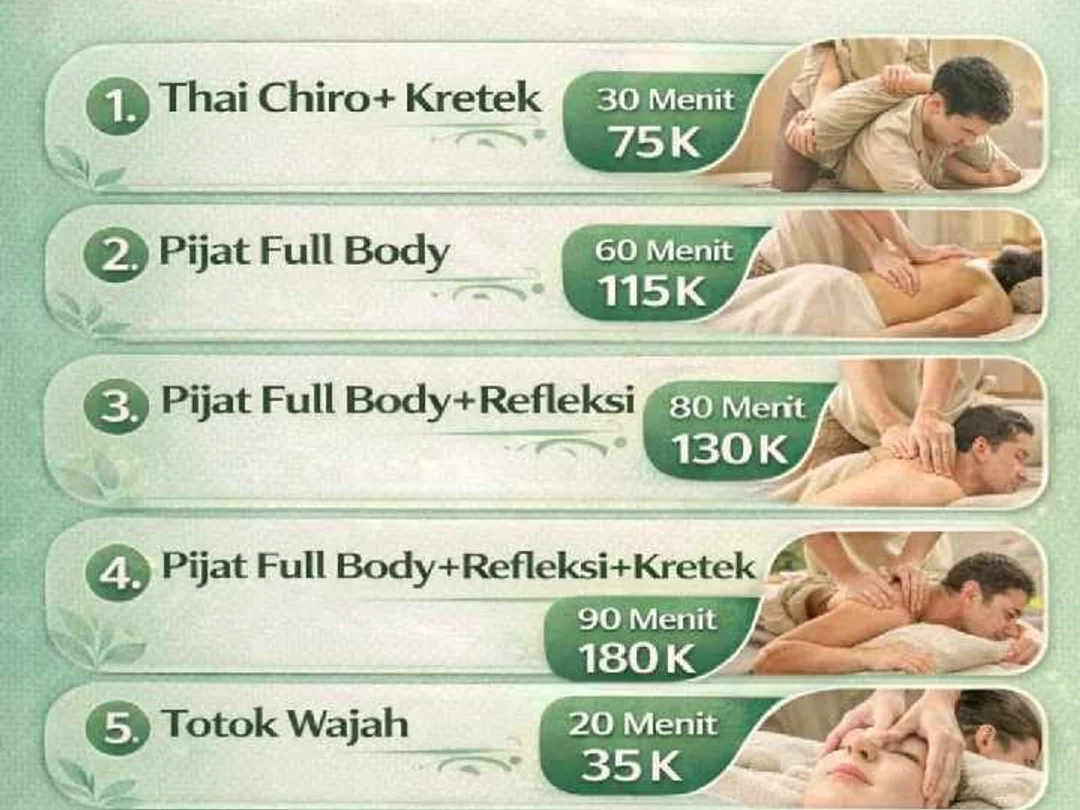
Most spa and massage bookings in Bali — whether at a spa location or an in-villa home service — will ask for your preferred style, session length (60 or 90 minutes are most common), and any areas of focus or health considerations in advance. In-villa massage has become especially popular for its convenience, letting you have a full spa-style session without leaving your accommodation. Always mention allergies to specific oils, pregnancy, or recent injuries before the session begins rather than partway through.
Looking to book a massage or spa treatment in Bali? Comparing real therapists and spas by massage type, location, and reviews makes it easy to find the right session for exactly what your body needs.
Frequently Asked Questions
What's the difference between Balinese massage and deep tissue massage?
Balinese massage uses medium pressure aimed at general relaxation and circulation, while deep tissue massage applies firmer, more sustained pressure specifically targeting deeper muscle tension and knots.
Is Thai massage painful?
Thai massage involves assisted stretching and firm pressure along the body, which can feel intense if you're not used to it, but it shouldn't be painful — communicate your comfort level to the therapist throughout the session.
Can I get a massage delivered to my villa in Bali?
Yes, in-villa or "home service" massage is widely available across Bali and has become a popular alternative to visiting a spa location, particularly for families or groups.
Is it safe to get a massage while pregnant?
Prenatal massage is generally considered safe when performed by a therapist experienced in pregnancy-safe techniques, but you should always consult your doctor beforehand and clearly disclose your pregnancy and trimester when booking.
How long should a massage session be?
60 minutes is the most common session length and suits most general relaxation needs, while 90 minutes is often chosen for deep tissue work or when combining multiple techniques or areas of focus.
How do I know which massage type is right for me if I've never had one before?
Balinese or Swedish massage are good starting points for first-timers due to their moderate, broadly relaxing pressure — you can always ask the therapist to adjust pressure during the session based on your comfort.
Final Thoughts
From a firm deep tissue session to ease travel-day tension to a gentle Lomi Lomi flow purely for relaxation, Bali's massage scene offers a genuinely wide range of styles worth exploring beyond a single generic "spa massage." Matching the technique to what your body actually needs — rather than defaulting to whatever's first on a spa menu — makes a real difference in how much you get out of the session. Browsing verified spa and massage therapists in Bali with real reviews is the easiest way to compare styles and book the right session for your trip.
This article is written by the FindExpertsNearby editorial team, who work directly with verified local service providers across Bali to publish accurate, practical travel guides. Prices, availability, and offerings mentioned above are general guidance and should be confirmed directly with individual providers, as they can change over time.